
When Can You Use Your Emergency Fund?
This post may contain affiliate links and Corporette® may earn commissions for purchases made through links in this post. As an Amazon Associate, I earn from qualifying purchases.
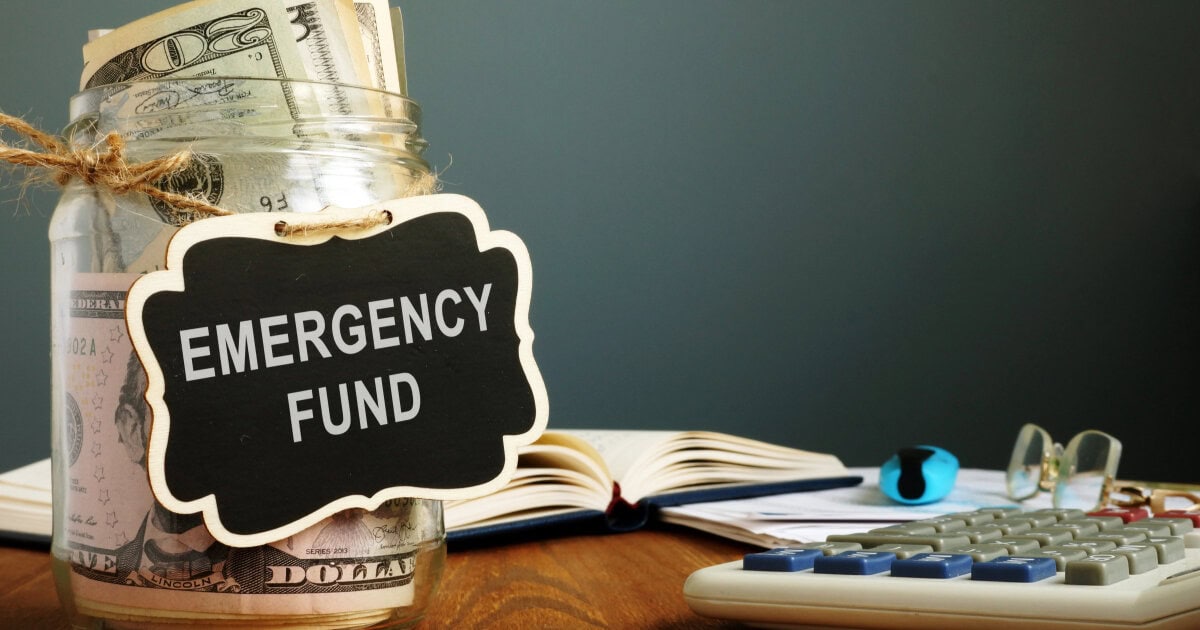
When have you used your emergency fund? Do you dip into it often, or for you is it truly just a “break in case of emergency” kind of situation? If you have a lot more than you would need in non-retirement investments, do you feel like you even need a separate emergency fund?
We've talked about where to keep your emergency fund a number of times over the years (and it's the first step in our general “roadmap” for personal finance), as well as how to calculate your e-fund.
Over the years, I've dipped into our emergency fund for things like unexpected tax bills, including a memorable one when we had just moved into a different tax bracket. Every single time that we've had to I've felt extreme guilt about it.
I don' t think I'm alone in this, either — a lot of people seem to have no trouble saving an emergency fund, but a much harder time spending it. After years of treating the account as untouchable, it can feel wrong to withdraw money even when the situation is exactly the kind of thing the fund was created to handle.
So let's discuss:
- What do you consider a legitimate emergency?
- Have you ever used your emergency fund, and if so, for what?
- Do you keep separate funds for job loss, home repairs, medical expenses, and other unexpected costs?
- Have you ever regretted using (or not using) your emergency fund?
- Do you view your emergency fund primarily as protection against disaster, or as a source of flexibility and freedom?


We exhausted our funds when my husband was laid off. However, we still have significant investments, so I’m not overly concerned. But I do share your feelings about the guilt.
Our emergency fund is whatever the cash balance is in our checking and savings accounts. Usually the total across those accounts is low 5 figures. We don’t earmark it for anything specific. That is enough to cover something like a water heater emergency, major car repair or replacement, or the mortgage and basic bills for a few months in case of any employment changes. Not sure why I would feel guilty for fixing my car or having an electrician replace a faulty circuit breaker. Perhaps guilt would come into play if we used those funds for a luxe vacation and came home to a dead furnace, but since we don’t enjoy living that close to the edge it isn’t an issue for us.
Having protection from disaster is itself a source of flexibility and freedom.
Our emergency fund is joint checking and savings, used for regular bills (checking) and less frequent big expenses (taxes, travel plane fares, stuff like that). This is the same account where any money saved for things like car and home repairs and fun travel (rather than family travel) ends up… so it’s just spent as needed without guilt. Only reason we have savings joint account at all is because interest rates are otherwise so bad and we needed to start having more available for estimated taxes.