
When Dry Cleaning Doesn’t Remove Odors: What Actually Works
This post may contain affiliate links and Corporette® may earn commissions for purchases made through links in this post. As an Amazon Associate, I earn from qualifying purchases.

Here's something we haven't discussed in an age: how to deal when drycleaning doesn't remove odors? As we're pulling things out for spring and getting ready to clean our winter things, now is a great time to talk about this! What are your best tips for removing odors from clothes, whether you've dry cleaned them or washed them? What can you do when dry cleaning doesn't remove odors?
First: If you’re dealing with lingering odors after dry cleaning, whether it’s sweat, perfume, or that vague “closet” smell, you’re not imagining things. Dry cleaning doesn’t always remove odors, and in some cases it can trap them.
Here’s why and what to do instead.
Why Dry Cleaning Doesn’t Remove Odors
Dry cleaning uses chemical solvents instead of water. That works well for surface dirt and some stains, but not all odor-causing compounds dissolve in those solvents.
Odors that tend to linger:
- Sweat smells (especially in structured tops and blazers)
- Perfume or fragrance buildup
- Musty or storage odors
- Smoke or environmental smells
In short, if the smell is embedded in the fibers, not just sitting on the surface, dry cleaning may not fully remove it.
One reader who works as a dry cleaner put it bluntly:
“As a dry cleaner, I can tell you that dry cleaning does not remove odors. It removes soils that can cause odor, but dry cleaning alone does not.
Some of the better dry cleaners have ozone rooms, or something similar, that are designed specifically for removing odors.
Perspiration is a water-based soil and often is difficult to remove from dry-clean-only garments. Add to that the chemicals in most antiperspirants and you have the makings for underarm damage, color loss, and lingering odor.
My recommendations:
- Wet clean whenever possible
- Use underarm protectors
- Point out odor concerns when you drop items off
- Sunshine is a great freshener, especially combined with a fabric spray
- Don’t let clothes sit. Take them in right away
And don’t be afraid to ask for a redo. They may not be checking for odor, and they would rather fix the problem than lose a customer.”
If you want to go deeper on why certain detergents work better than others, the subreddit r/laundry has several detailed threads explaining enzymes like lipase, which break down oils and body odors at the molecular level.
What to Do If Clothes Still Smell After Dry Cleaning
1. Air It Out (Longer Than You Think)
This sounds almost insultingly simple, but it works.
- Hang the garment in a well-ventilated space
- Give it 24 to 48 hours, not just overnight
- Outdoor shade is ideal (avoid direct sun for delicate fabrics)
Often, what you’re smelling is residual solvent plus trapped odor, and airflow helps both dissipate.
2. Use Steam to Release Odors
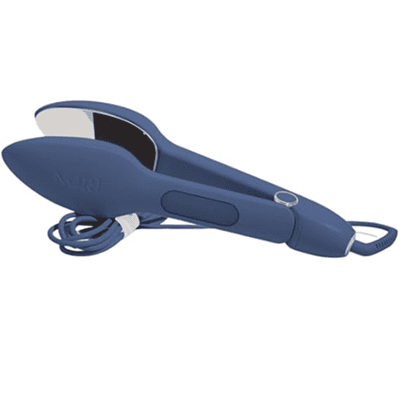
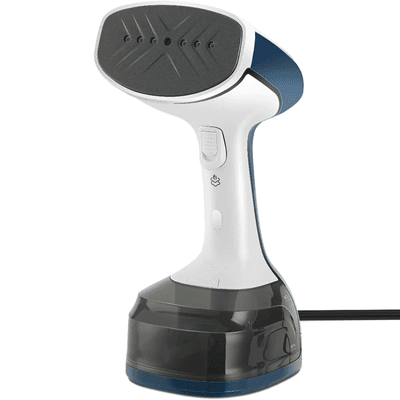
Steam is one of the most effective and underused tools for odor removal. You can use a handheld steamer, or hang the garment in a steamy bathroom. If you can, focus on areas like underarms, collars, and lining.
Steam helps relax fibers and release trapped odor molecules. It is often more effective than a second dry cleaning cycle.
3. Try a Fabric-Safe Odor Neutralizer
For persistent smells, a targeted product can help. Look for enzyme-based sprays, or fabric-safe odor neutralizers, not just fragrance cover-ups.
Avoid anything heavily scented. You will just layer smells, which is rarely the goal.
One reader shared a more DIY approach that’s popular in theater costuming:
“Put four parts vodka to one part water in a spray bottle and spray the stinky area. Repeat if necessary.
It worked like a charm on a blazer. It was less effective on a synthetic or silk wrap dress, but I ended up washing the dress anyway and it came out looking and smelling great.
Apparently Broadway costume departments swear by this!
Another commenter chimed in to note that you don't need to waste the good stuff on odors in your clothes: “No Grey Goose needed, cheaper is better here. Rubbing alcohol is not a substitute because of the additives.”
4. Spot-Treat High-Odor Areas
Some odors are localized, such as underarms, the inner lining, or collars. Think about ways to prevent odors there, whether it's by wearing sleeved shirts (this is why I hate camisoles and shells by themselves beneath blazers and cardigans!) or wearing a garment guard, as the drycleaner recommended.
For your collar, you can wear a washable collared shirt, or grab a scarf. I worked with one partner who hated itchy tags and swore by scarves and blazers (though her scarves were all Hermes, of course).
Lightly treating these areas, depending on fabric care instructions, can make a disproportionate difference.
5. Consider Wet Cleaning or Washing (When Possible)
As we've discussed before, some clothes marked “dry clean” are OK to go in the wash, whether you use a delicates cycle, a delicates bag, or do an actual hand wash. You may also be able to find a professional who does wet cleaning in your area.
(We've also rounded up washable blazers, pants, suits (!), and more — these are the best workwear brands that generally have washable clothes.)
For “dry clean only” items, be more careful — a lot of times water will cause the fabric to shrink and pucker.
My rule of thumb is to follow the directions for the first year I own a sweater or blouse — and after that I'll give it a try in the delicate cycle at home.
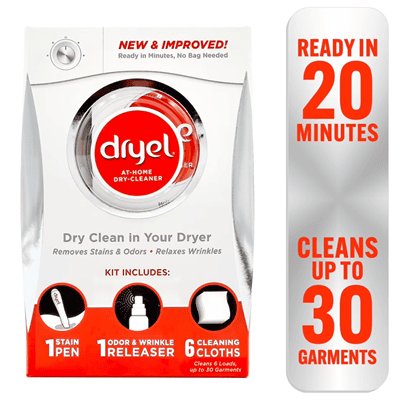
(Some readers have sung the praises of at-home dry cleaning products like these!)
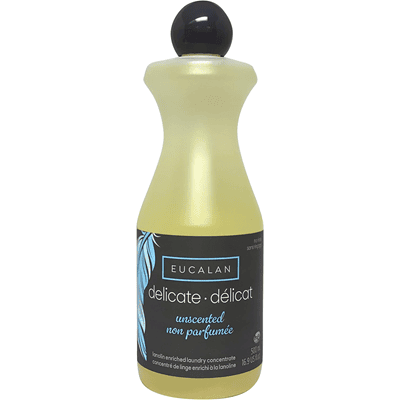
For delicates, dry cleaning at home, and more, readers have mentioned these products:
Where to Find Washable Work Clothes
Some of our favorite brands of washable workwear as of 2026 include NYDJ, Vince Camuto, Halogen, Quince, Everlane, Banana Republic, Banana Republic Factory, Lands' End, and Karen Kane. On the fancier side, check out M.M.LaFleur, Hobbs, Ming Wang, Boden and Eileen Fisher.
(Hunting for more machine washable clothing? We feature some trendy washable workwear every Wednesday at CorporetteMoms, have listed the best brands for washable workwear, and occasionally do roundups of just washable basics for work outfits!)
When Odors Won’t Come Out
Sometimes the issue is not just odor. It is fabric breakdown.
Common scenarios:
- Persistent underarm odor in silk or synthetics
- Old sweat that has chemically altered the fabric
- Long-term smoke exposure
At that point, even professional cleaning may not fully resolve it.
How to Prevent Odors in Work Clothes
If you are investing in quality pieces, prevention is far more effective than repeated cleaning.
A few habits that help:
- Do not wear the same piece multiple days in a row
- Let garments fully air out between wears
- Use undershirts or garment shields when possible
- Avoid over-applying perfume directly to clothing
Modern wardrobe care is less about constant cleaning and more about managing wear intelligently.
One reader shared a more hands-on routine for preventing odors before they set in:
“After wearing something, I sprinkle baking soda on the problem areas and leave it out in the open to sit. Then I shake it off before taking it to the dry cleaner.
If it’s washable, I’ll spray a mix of vinegar and water on the area before putting it in the machine, and I always add baking soda to the wash.
Also, skip fabric softener. It clings to the fibers and can trap odors instead of removing them.”
The Bottom Line
If dry cleaning did not remove the odor, it is not necessarily a failure. It is a limitation of the method.
The most effective approach is usually a combination of:
- airflow
- steam
- targeted treatment
At a certain level, maintaining a professional wardrobe is not about outsourcing care. It is about understanding how your clothes actually behave.
Have you found a smell that dry cleaning would not fix? What ended up working?

